A Field Guide to Bark: Noticing, Recording, and Using Tree Textures on Local Walks
Opening observation
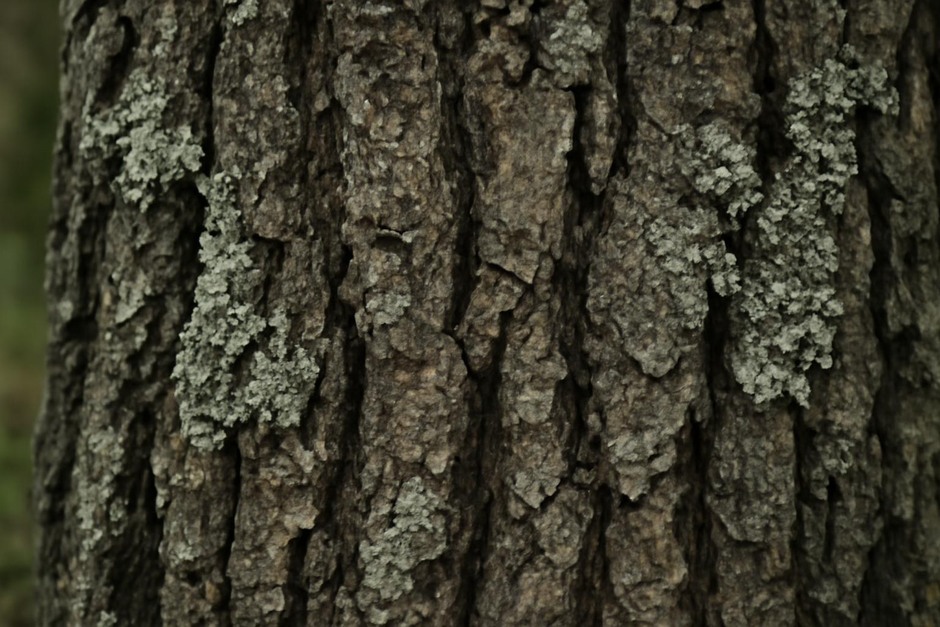
On an ordinary walk the other day I found myself slowed by a trunk: deep furrows braided with pale lichen and a seam where an old branch had healed itself. Bark is shorthand for a tree’s recent history—growth, injury, weather, and neighbors all written in texture. Training yourself to read those marks turns a routine stroll into a slow study of place. This guide offers a small kit and simple methods for noticing, recording, and thoughtfully using bark patterns without harming the trees you love.
1. A lightweight kit for careful observation
What you need is intentionally minimal so that the practice stays portable and respectful.
- Smartphone with camera — a full-frame shot and a close-up; use the phone’s grid and zoom sparingly.
- Small notebook and pencil — sketching with a pencil captures angles and scale quickly.
- Flexible measuring tape or a small ruler — to record scale in photos.
- Soft brush or small leaf blower — to clear loose debris from a bark patch when working on fallen fragments (never on living bark).
- Light jacket with pockets — for occasional small, dead scraps you may wish to study at home (only from the ground).
Carry a lightweight tote rather than collecting from trees. The aim is to document and learn, not to strip or injure. If you want tactile study materials, prioritize fallen branches and bark already detached by wind or rot.
2. Four seasonal cues to guide what you look for
Each season offers distinct windows into a tree’s life. Learning these cues improves identification and appreciation.
Winter: Form and scars
Without leaves, bark and branch architecture are most visible. Look for healed branch collars, frost cracks, and the overall rhythm of furrows or plates. Photograph full trunks to capture pattern repetition.
Spring: Fresh growth and cambial activity
New shoots, swollen buds, and areas of smoother bark where rapid growth occurs are easiest to spot. Note where the bark seems stretched or where lenticels are more prominent.
Summer: Epiphytes and insect traces
Lichens, mosses, and insect galleries become legible in warm months. Photograph patches of growth from multiple angles and document light conditions—textures look different in shade than in direct sun.
Autumn: Color and loosened layers
As humidity drops and leaves fall, bark can split or flake more readily. Look for areas where inner bark peels, which can tell you about species and the tree’s recent stresses.
3. Recording methods that preserve detail without harm
Good records combine scale, context, and a short note. Use these simple steps every time:
- Frame a shot that includes a small scale object (coin, ruler) and a surrounding trunk or branch for context.
- Take close-ups at different angles to show depth and shadow.
- Write a two-line note: location or path name, approximate diameter, and what caught your attention (e.g., “deep vertical fissures with pale crustose lichen”).
- Sketch the most interesting portion in your notebook—one or two lines can capture pattern more clearly than many photos.
- If you wish to study texture at home, collect only bark already detached and lying on the ground; never pry bark from a standing tree.
Avoid bark rubbings that force pressure against living trunks. If you want a rubbing for texture study, use fallen pieces laid flat on a table.
4. Small home projects inspired by bark textures
Observed textures can be translated into quiet, low-impact projects that celebrate the patterns you’ve documented.
- Texture studies in your journal: Paste a photo and add a pencil sketch, noting season and path. Over time these pages become a seasonal record of place.
- Mono-print experiments: Use soft ink on a sheet and press paper to a small, clean piece of fallen bark to transfer texture; work on a tabletop, not the tree.
- Pattern embroidery: Translate furrows and plates into simple stitched lines on linen for small needlework samplers.
- Design inspiration: Use bark sketches as repeating motifs for handmade cards or labels—an unobtrusive way to keep the walk at home.
Each project keeps the focus on observation and respect: you’re celebrating textures, not appropriating living material.
Measured conclusion
Training your eye to read bark changes a frequent path into a slow archive. With a small kit, seasonal attention, careful recording methods, and humble home projects, you can learn a great deal without ever harming a tree. The practice rewards repetition: over the months you will begin to notice the same trunks aging, the same lichens spreading, and the subtle stories that a neighborhood keeps. Walk slowly, take one quiet note at a time, and let texture be the language that teaches you where you live.