A Simple Seasonal Walk Kit: How to Gather, Tidy, Preserve, and Display Small Natural Finds
On any short stroll—around the block, through a park, or along a riverside—you can gather tiny reminders of the season: a curled leaf, a seed pod, a short stem of wildflower. With a few simple habits and modest supplies, these small finds become lasting touches for the home: framed bits of the season, a jar of dried heads on a shelf, or a page in a memory notebook. The process should be low-effort and repeatable, so it stays enjoyable rather than becoming another project to manage.
1. Prepare: a small kit and the right mindset
You don’t need a lot of equipment. A lightweight walk kit keeps collecting easy and tidy:
- Small cloth bag or paper envelope for soft finds
- Cardboard folder and a few sheets of absorbent paper for pressing
- Scissors or a small folding snip for trimming stems
- Notebook or phone camera to note where and when you found items
Bring a relaxed curiosity rather than a harvest mindset. Look for single stems, fallen leaves, or seeds that are already loose—items that won’t harm the plant or habitat when removed. A few minutes of mindful looking makes each walk feel rewarding without overcollecting.
2. Gather: choosing small, ethical finds
Beginner-friendly selection rules help you gather without worry. Keep these simple guidelines in mind:
- Take only what’s abundant. If a plant is rare in the area, leave it be.
- Prefer fallen or detached material. Seed cases, dropped leaves, or spent flower heads are ideal.
- Collect small samples. One stem or a few leaves from a patch won’t harm the plant and is easier to preserve at home.
- Respect rules and private property. Avoid collection in protected sites or from gardens without permission.
Make a habit of photographing larger specimens before you take anything. That keeps a visual record without needing to remove whole plants.
3. Tidy and preserve: quick methods for common finds
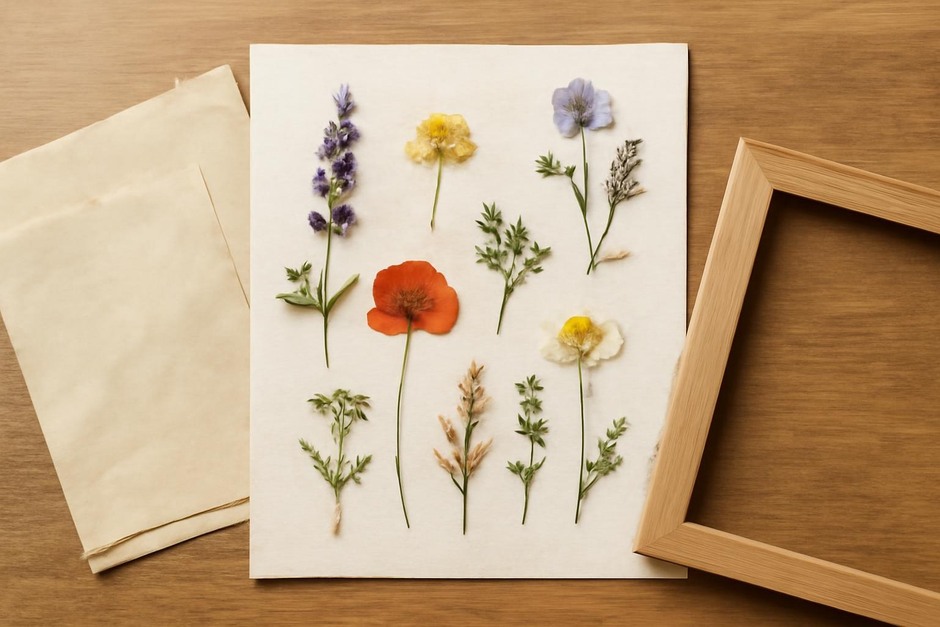
Two easy, low-cost methods cover most small finds: pressing for flat items (leaves, delicate petals) and gentle drying for seedheads and sturdier stems.
Pressing
- Arrange the item flat between absorbent papers (blotting paper or plain printer paper works).
- Place the papers in a cardboard folder or under a heavy book; change the paper if it becomes damp.
- Check after 1–3 weeks; thin petals dry faster than thick leaves.
Drying
- Bundle short stems with a rubber band and hang upside down in a cool, dry, dark space for 1–3 weeks.
- Seed pods and grasses often keep shape and color well when dried this way.
- For delicate color, dry indoors away from direct sun to reduce fading.
These methods require little time but do need a short routine so items don’t sit damp. Avoid using adhesives directly on fragile petals; instead, mount with photo corners or clear sleeves.
4. Display: simple presents of the season and a repeatable after-walk routine
Displaying finds should be straightforward. Pick one consistent format that fits your home and attention level.
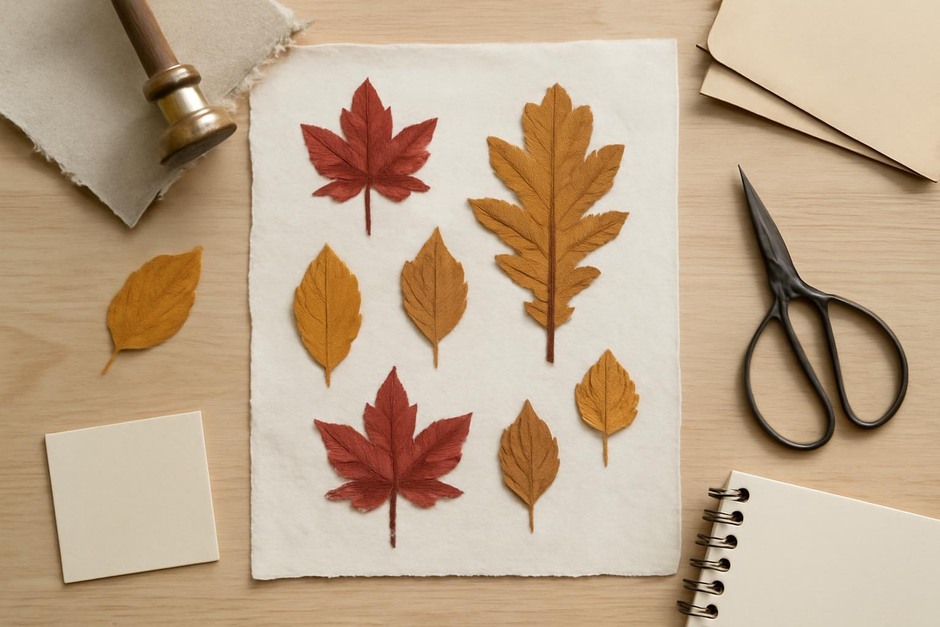
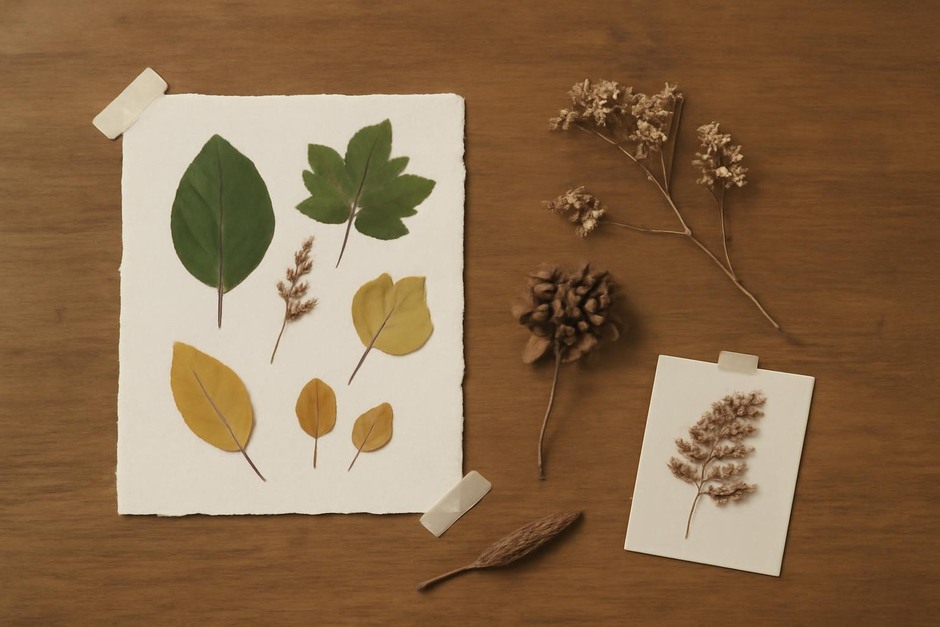
- Mini frames: Small frames with mounts are forgiving and swap-friendly—slide in a pressed leaf or two and change them each month.
- Glass jars: A shallow jar with dried seedheads or grasses creates a casual vignette for shelves.
- Memory notebook: Glue (or use photo corners for) pressed pieces into a simple sketchbook with a note about where it was found.
Make a short, repeatable after-walk routine so preserving stays effortless. Try this 6-step, ten-minute ritual:
- Empty your walk bag and separate finds into piles: press, dry, photograph, or discard (if unsuitable).
- Trim stems to a manageable length; remove excess dirt or damaged material.
- Place chosen flats between fresh paper for pressing; label with date and location on the paper edge.
- Bundle sturdy stems for hanging to dry and mark with a note if needed.
- Quickly photograph and jot a one-line memory in your notebook (weather, who you walked with, a scent you noticed).
- Store pressing folders and drying bundles in a dedicated spot so you can repeat the process without hunting for supplies.
This small routine keeps the work short and satisfying: an easy ritual that turns a walk into a seasonal snapshot.
Conclusion
Collecting small items on walks is an accessible way to bring seasonal change into everyday life. With minimal tools, ethical choices, and a short after-walk routine, those tiny finds become lasting, low-effort decorations or keepsakes. The key is simplicity: pick one preservation method, one display style, and a brief ritual you enjoy. Over time those little pieces accumulate into a gentle record of the places you wander and the seasons you pass through.